01
Ingest the robot's reality
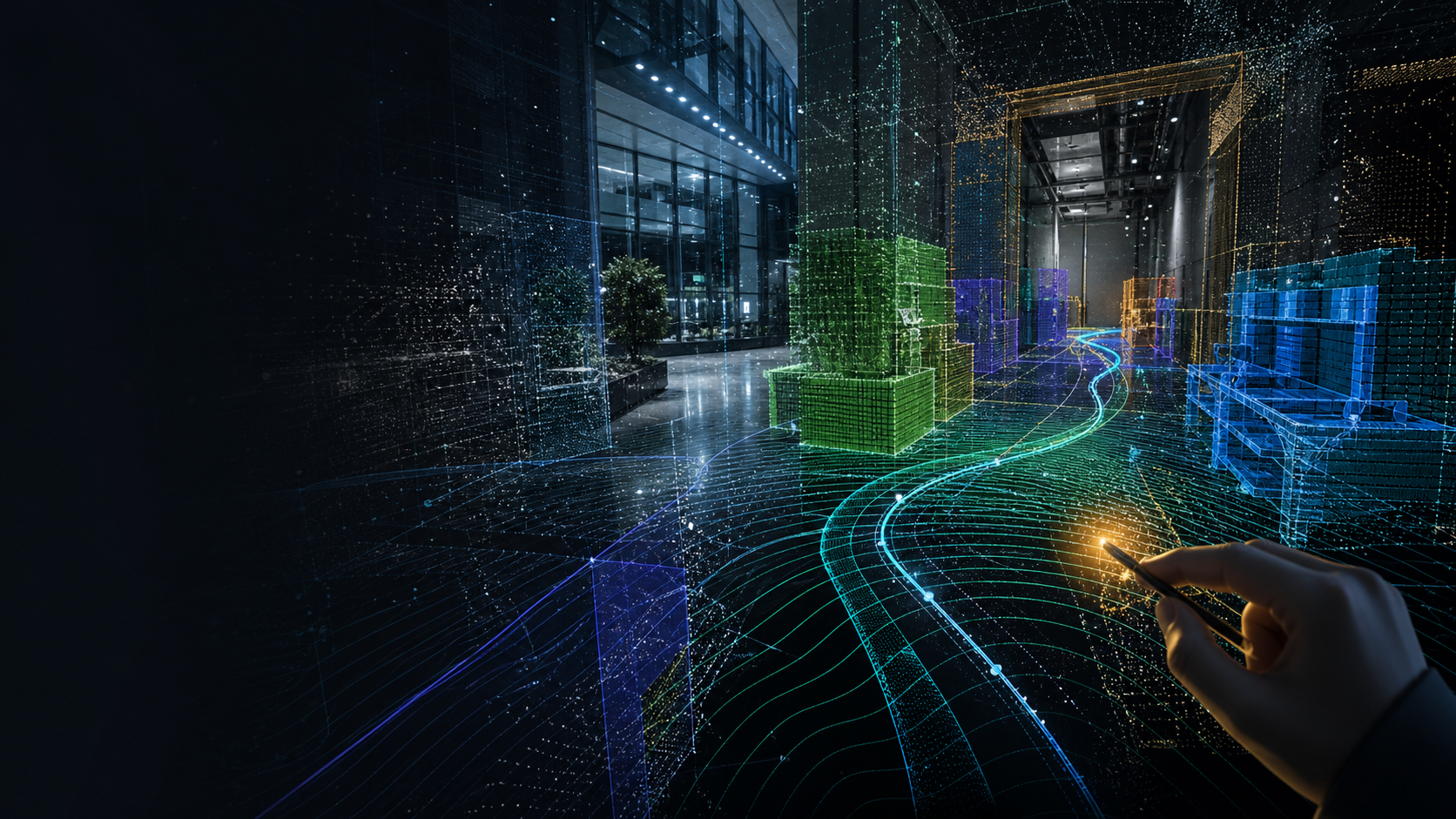
RGB, depth, LiDAR, pose, IMU, odometry, and robot-state streams enter one timestamped spatial pipeline.
Robot world generation
Live 3D world models from the robot's own sensor stream.
See what the robot sees. Understand what it knows. Decide what it should do. SenseSight pivots the Human Sense thesis toward the world-generation layer: real-time spatial memory that a person can inspect before the robot acts on it.
The product
SenseSight turns raw robot streams into a spatial scene a person can enter: not a dashboard of disconnected telemetry, but the robot's working model of the place.
01
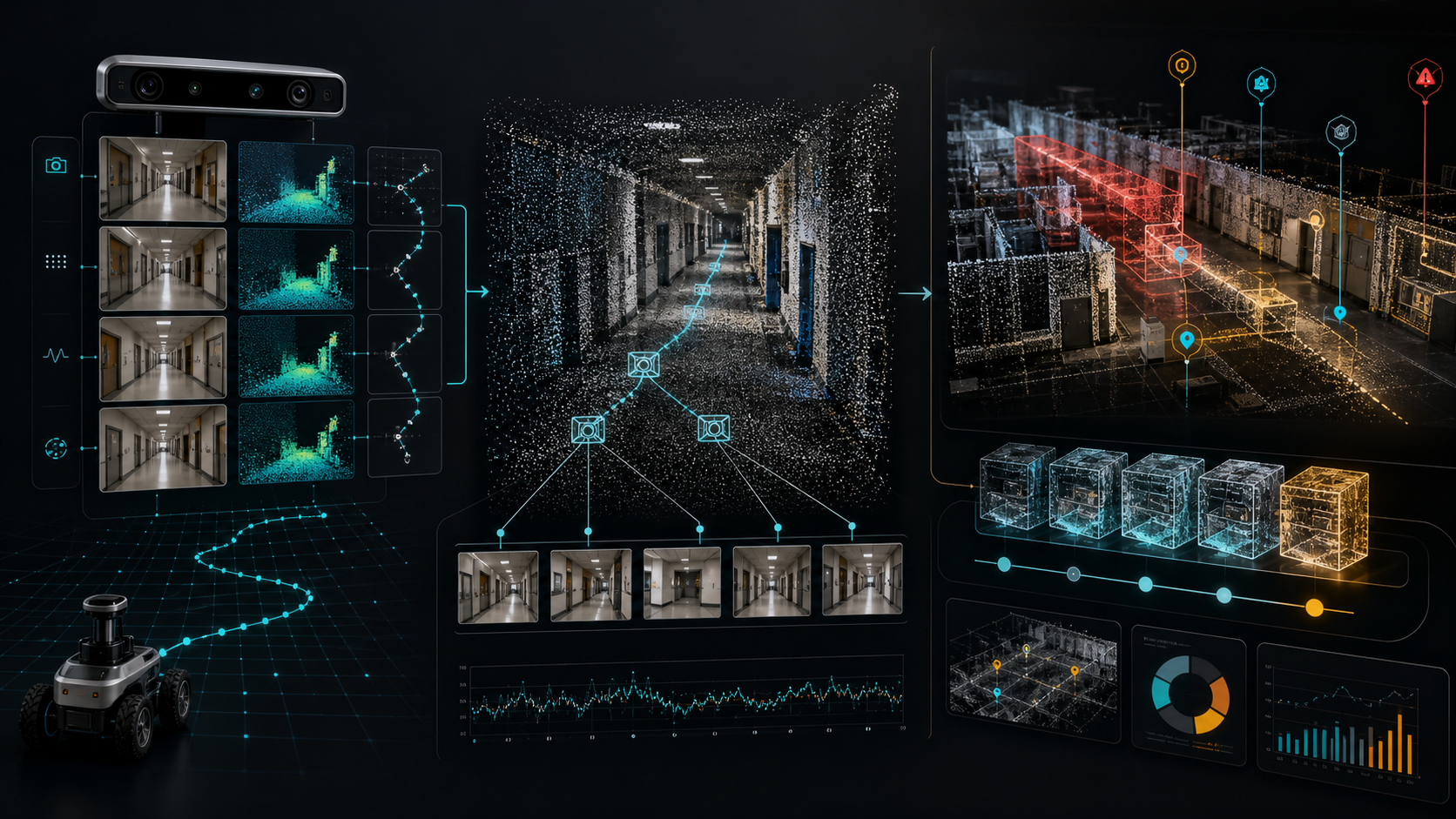
RGB, depth, LiDAR, pose, IMU, odometry, and robot-state streams enter one timestamped spatial pipeline.
02
Frames become explorable geometry, trajectories, risk surfaces, semantic anchors, and splat-ready artifacts.
03
A person can inspect exactly what the robot sees before the system treats the world model as operational truth.
Realtime loop
The promise is not a polished reconstruction after the mission. It is a live loop where a person can watch the model form, catch uncertainty, and make the machine better in the moment.
The robot publishes synchronized perception, pose, and health signals while it moves through the physical site.
SenseSight fuses each packet into a continuously updating 3D scene that can be replayed, queried, and audited.
The operator sees the machine's evidence in spatial context instead of guessing from isolated camera frames.
Approved corrections, labels, and route judgments become durable memory for the next mission pass.
From pixels to place
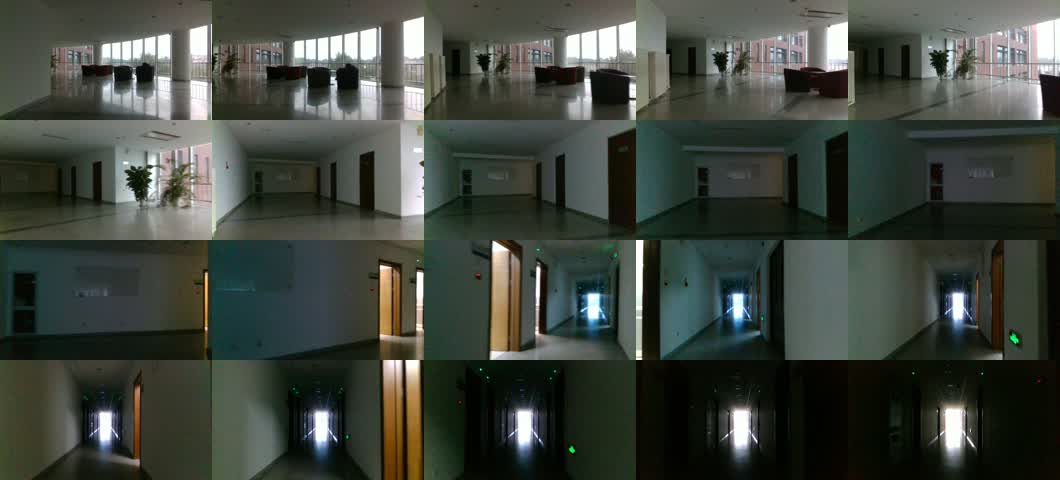
SenseSight is built for the moment raw perception crosses into usable world state: point previews, splat refinement, semantic labels, and human corrections flowing back into the map.
Architecture
The baseline repo stays small, typed, and deployable. The package boundaries leave room for live viewers, robot adapters, storage, splat assets, and operator review without turning the site into the app.
Fast static marketing surface today, ready for richer product routes as the demo matures.
Shared TypeScript contracts keep observations, risks, decisions, and mission events consistent across apps.
Pages deployment, preview branches, and room to add Workers, R2, D1, and realtime APIs behind the same domain.
Designed around point-cloud previews now and higher-fidelity splat assets as real robot reconstructions land.
Clear boundaries for OpenLORIS, live robot feeds, simulator missions, and future customer capture formats.
Reverse singularity is an architecture requirement: human judgment improves the world model instead of disappearing.
Open source
SenseSight starts as an open-source monorepo with CI, typed contracts, preview-friendly Cloudflare deployment, and a roadmap that can absorb real robotics data without a rewrite.
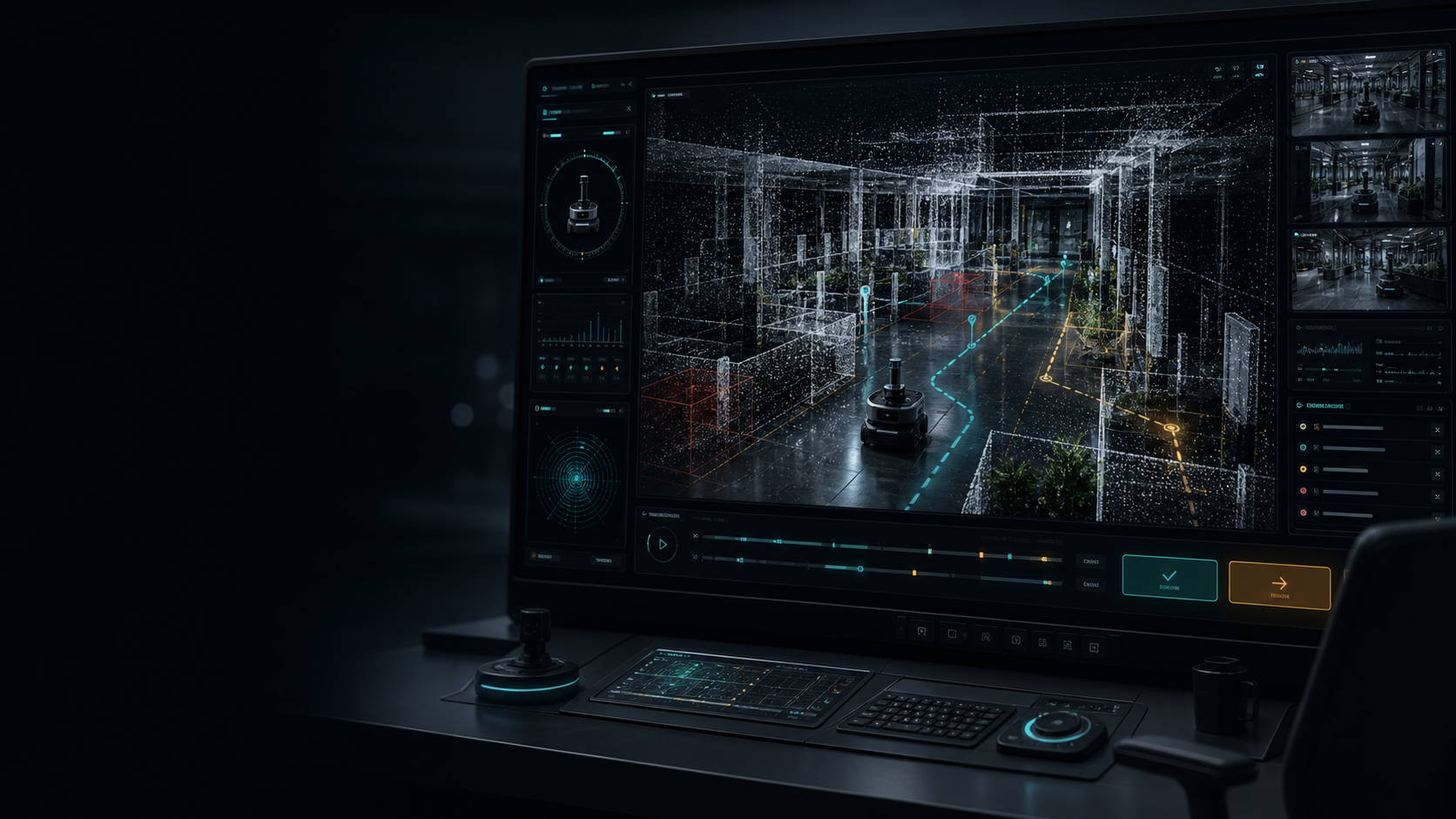
SenseSight is the infrastructure layer for a human to inspect, correct, and trust a robot's evolving model of reality. The repo is structured so marketing, contracts, adapters, and future realtime surfaces can grow independently.
View the repositorySenseSight.live
A real-time world-generation layer for robotics teams who believe the future is neither blind autonomy nor manual teleop. It is machine perception sharpened by human judgment.
Open sensesight.live